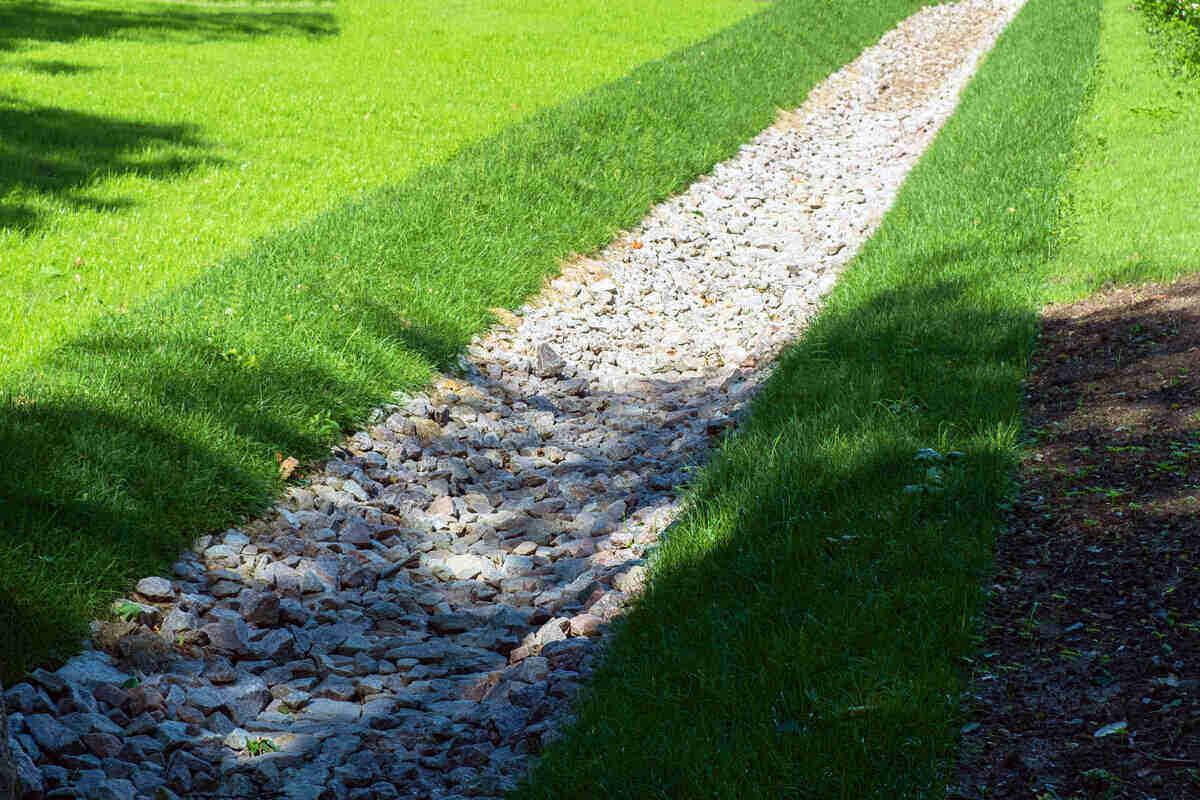
Best Materials for French Drains Near Elbert County, CO (Gravel, Pipe & More)
Why Drainage Problems Are So Common near Elbert County, Colorado
If you live near Elbert County, you’ve probably seen it or dealt with it yourself.
Water pooling in your yard after a storm.
Mud that never seems to dry.
That uneasy feeling when rain starts hitting your roof because you know what’s coming next.
Maybe it’s creeping toward your foundation. Maybe your basement smells damp. Or maybe your yard just feels… unusable.
You’re not imagining things and you’re definitely not alone.
Here in Elbert County and surrounding areas like Douglas and El Paso County, the soil doesn’t always cooperate. It holds water longer than you expect. Add in sudden storms and freeze-thaw cycles, and suddenly your property starts working against you.
At Minch Enterprise, we talk to homeowners all the time who feel frustrated, overwhelmed, and unsure what actually works. You don’t want to waste money on a fix that fails in a year. You want something that lasts,and actually solves the problem.
That’s where French drains come in. But here’s the truth most people don’t hear:
A French drain is only as good as the materials used to build it.
Let’s break that down.
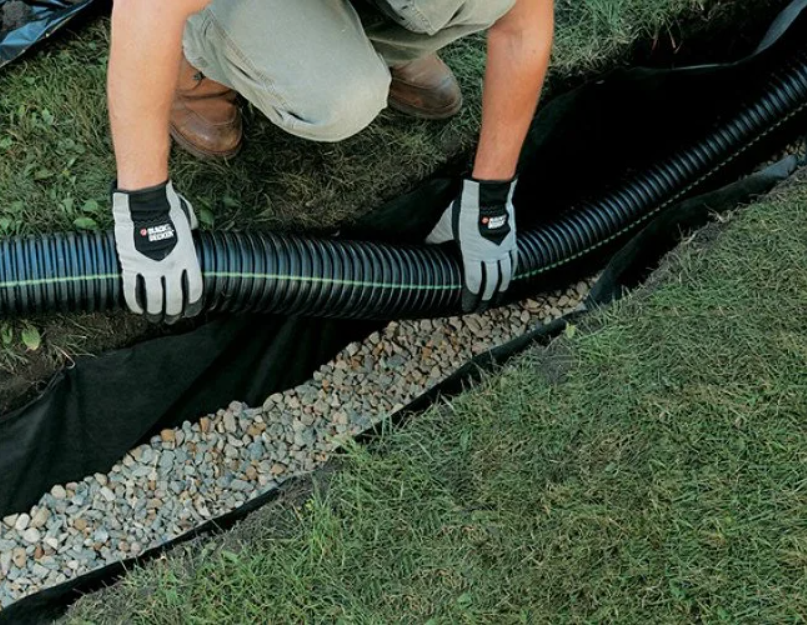
What Is a French Drain and How Does It Work?
At its core, a French drain is simple.
It’s a trench filled with gravel and a pipe that redirects water away from problem areas like your foundation, yard, or driveway.
Instead of water sitting where it shouldn’t, the system gives it an easy path to follow.
Think of it like this:
Water always looks for the easiest way to move. A properly built French drain gives it that path away from your home.
But if the wrong materials are used? That “easy path” gets blocked, clogged, or fails completely.
Why Choosing the Right Materials for a French Drain Matters
This is where many homeowners get burned.
You can install a French drain that looks great on day one,but fails within a year because of poor material choices.
We’ve seen it happen across Elbert County:
Cheap gravel that compacts and stops draining
Pipes that clog or collapse
Systems built without proper filtration
And once it fails? You’re not just fixing it,you’re often replacing the whole thing.
That’s why understanding materials isn’t just helpful. It’s critical.
Best Gravel for French Drains Near Elbert County, Colorado
Gravel is the backbone of any French drain.
Its job is to create space for water to move freely. If it doesn’t do that well, the whole system struggles.
The best choice? Washed angular gravel, typically ¾ inch in size.
Why this works:
The angular edges create gaps for water to flow
It doesn’t compact like dirt or sand
It allows consistent drainage over time
In Elbert County, where soil can already hold water, this becomes even more important. You need gravel that keeps water moving,not trapping it.
Avoid anything labeled “mixed fill” or “base material.” These often contain fines (small particles) that clog the system.
Crushed Stone vs Pea Gravel: Which Is Better for Drainage?
This is one of the most common questions we hear.
Pea gravel looks nice. It’s smooth and easy to work with.
But for drainage? It’s not ideal.
Here’s why:
Pea Gravel
Rounded stones
Slides and shifts easily
Creates fewer open spaces for water
Crushed Stone
Rough, angular edges
Locks together while still allowing flow
Creates better drainage channels
In simple terms: crushed stone drains better and lasts longer.
For French drains near Elbert County, Colorado, crushed stone is almost always the better choice.
The Role of Perforated Pipe in French Drain Systems
The pipe inside your French drain is what carries water away.
Without it, you just have a trench filled with rock.
Perforated pipes have small holes that let water enter and move through the system.
But not all pipes are created equal.
The right pipe:
Handles pressure from soil
Resists clogging
Lasts for decades
The wrong pipe? It can collapse or clog, turning your drain into a buried problem.
Corrugated vs PVC Pipe: Which One Should You Choose?
This is where decisions matter.
Corrugated Pipe
Flexible
Easier to install
Lower upfront cost
But:
More prone to clogging
Can crush under heavy soil
Shorter lifespan
PVC Pipe
Rigid and strong
Smooth interior for better water flow
Long-lasting
The downside? It takes more effort to install.
From our experience at Minch Enterprise, PVC is often the better long-term investment, especially for properties dealing with serious drainage issues.
Do You Need Filter Fabric in Your French Drain?
Short answer: yes.
Filter fabric wraps around the gravel and pipe to keep soil out.
Without it, dirt slowly works its way into the system. Over time, that leads to clogs, and eventually failure.
Think of it like a coffee filter. It lets water through but keeps the unwanted material out.
Skipping this step might save money upfront, but it usually costs more later.
Common Material Mistakes That Cause French Drains to Fail
We’ve seen these mistakes near Elbert County more times than we can count:
Using the wrong type of gravel
Skipping filter fabric
Installing low-quality pipe
Mixing soil into the drainage trench
Not accounting for slope
Each of these might seem small,but together, they can ruin the system.
And the frustrating part? Many homeowners don’t realize there’s a problem until it’s too late.
How Soil Types in Elbert County Affect Material Choice
Not all soil behaves the same.
In parts of Elbert County, you’ll find:
Clay-heavy soil that holds water
Sandy patches that drain quickly
Mixed soil that changes across your property
Clay is the biggest challenge.
It traps water, which means your drainage system has to work harder.
That’s why material selection matters even more here. You need:
High-quality gravel that won’t clog
Durable pipe that can handle pressure
Proper filtration to keep soil out
French Drain Materials for Cold Climates and Freeze-Thaw Cycles
Colorado winters bring another challenge: freezing.
When water freezes, it expands. That can shift materials, crack pipes, or disrupt the system.
Good materials help prevent this:
Strong pipe that won’t crack
Proper gravel that allows drainage before freezing
Correct installation depth
A poorly built system might work in summer, but fail after one winter.
DIY vs Professional Installation: Does Material Quality Change the Outcome?
DIY can work, but only if materials and installation are done right.
We’ve met plenty of homeowners who tried to fix drainage themselves, only to end up calling us later.
Not because they didn’t try, but because:
The wrong materials were used
The system wasn’t graded properly
Key steps were missed
Professional installation doesn’t just mean labor; it means knowing what works in your specific area.
How Long Do French Drain Materials Last? (Durability Breakdown)
Here’s what you can expect:
High-quality gravel: 20+ years
PVC pipe: 25–40 years
Corrugated pipe: 10–20 years
Filter fabric: 20+ years (if properly installed)
The difference between good and poor materials can mean replacing your system in 5 years… or not touching it for decades.
Cost of French Drain Materials Near Elbert County, Colorado
Material costs vary depending on quality and scope.
Typical ranges:
Gravel: moderate cost but essential
Pipe: varies widely (PVC costs more upfront)
Fabric: relatively low cost, high value
The real question isn’t just “What does it cost?”
It’s: “Will it last?”
Choosing cheaper materials might save money now, but it often leads to higher costs later.
How to Choose the Best French Drain Materials for Your Property
Every property is different.
What works for one yard might not work for another.
When choosing materials, consider:
Soil type
Water volume
Slope of your land
Climate conditions
This is where experience matters.
At Minch Enterprise, we don’t believe in one-size-fits-all solutions. We look at your specific property and build a system around it.
Why Local Experience Matters When Selecting Drainage Materials
There’s a big difference between general advice and local knowledge.
What works in another state or even another part of Colorado, might not work here.
French Drains Near Elbert County, Colorado need to handle:
Local soil conditions
Sudden storms
Winter freezing
That’s why working with someone who understands the area can make all the difference.
Final Thoughts: Building a French Drain That Actually Works
If you’re dealing with drainage issues, you already know how frustrating it can be.
It’s not just about water, it's about your home, your yard, and your peace of mind.
The good news? There is a solution.
But the key isn’t just installing a French drain,it’s building it with the right materials from the start.
Done right, it quietly does its job for years.
Done wrong, it becomes another problem to fix.
At Minch Enterprise, we’ve seen both sides.
And if there’s one thing we’d want every homeowner in Elbert County to know, it’s this:
The materials you choose today determine whether your drainage problem is solved or just delayed.
